




Commercial Cleaning for Apartment Buildings and Shared Properties
Picture a typical Monday morning in a busy apartment building.
Residents are leaving for work. Delivery drivers are coming through the entrance. Someone is moving furniture into an elevator. Visitors are waiting in the lobby, and maintenance staff are responding to requests throughout the property.
By noon, hundreds of small interactions may have taken place in the same few areas.
The lobby. The elevators. The hallways. The shared entrances.
Now consider a question that property managers don’t always ask until a complaint arrives:
Who is responsible for keeping those spaces consistently clean?
The answer should be clear. But in many properties, shared spaces become a source of frustration when cleaning responsibilities, schedules, and expectations aren’t clearly defined.
The Problem With Spaces That Belong to Everyone
Inside an individual apartment or office suite, cleaning responsibilities are often straightforward.
Shared areas are different.
Residents, tenants, employees, visitors, contractors, and delivery personnel may all use the same entrances and corridors. Their schedules overlap, and the amount of activity can change dramatically from one day to the next.
A lobby that looks perfectly maintained at 8 a.m. may need attention again by the afternoon.
An elevator that was cleaned overnight can collect fingerprints, debris, and marks during a busy move-in.
A hallway may remain relatively quiet for days before experiencing a sudden increase in traffic.
The challenge isn’t necessarily that someone forgot to clean.
It’s that shared spaces need a cleaning routine that reflects how people actually use them.
Five Shared Areas Property Managers Should Pay Attention To
1. Building Entrances
Entrances experience constant movement between outdoor and indoor environments.
Foot traffic can bring in dirt, moisture, leaves, and debris. During late fall and winter, changing weather can make entrance maintenance even more important.
Property managers should consider the condition of entry mats, glass doors, thresholds, and nearby flooring.
A clean entrance isn’t only about presentation. It also requires attention to moisture and debris that may affect walking surfaces.
2. Elevators
Elevators are among the most frequently shared spaces in many multi-story properties.
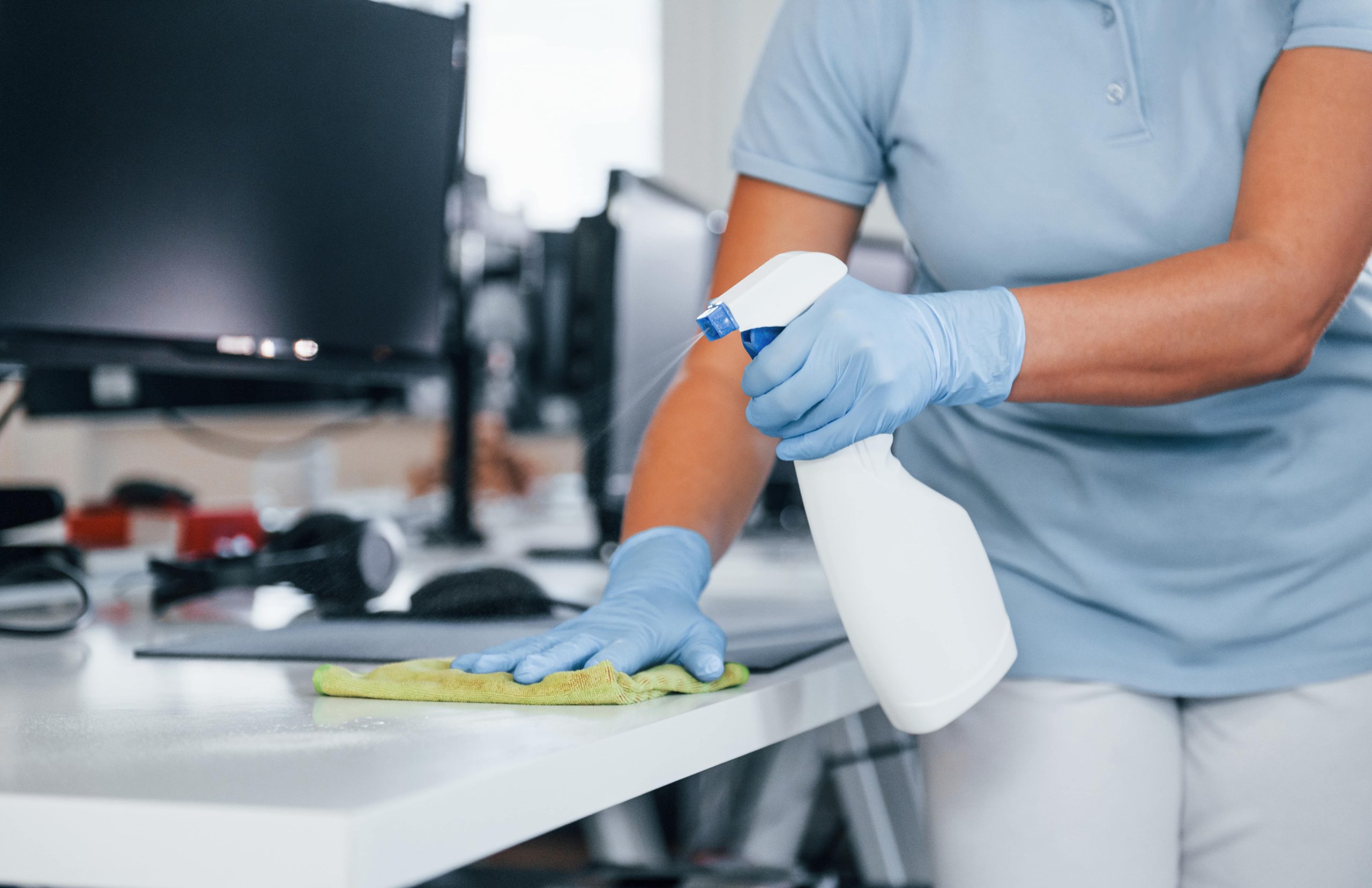
Buttons, handrails, doors, and interior panels receive repeated contact throughout the day.
They can also accumulate marks from deliveries, carts, and moving equipment.
A suitable cleaning routine should account for both visible surfaces and frequently touched points, using products appropriate for the elevator’s materials and controls.
3. Hallways and Corridors
Hallways connect nearly every part of a building, but they may receive less attention than the main lobby.
Dust can collect along edges and corners. Carpets may show concentrated traffic patterns. Hard floors may require different maintenance depending on their material and condition.
Consistent hallway cleaning helps maintain the appearance of the entire property, not just its most visible spaces.
4. Shared Amenities
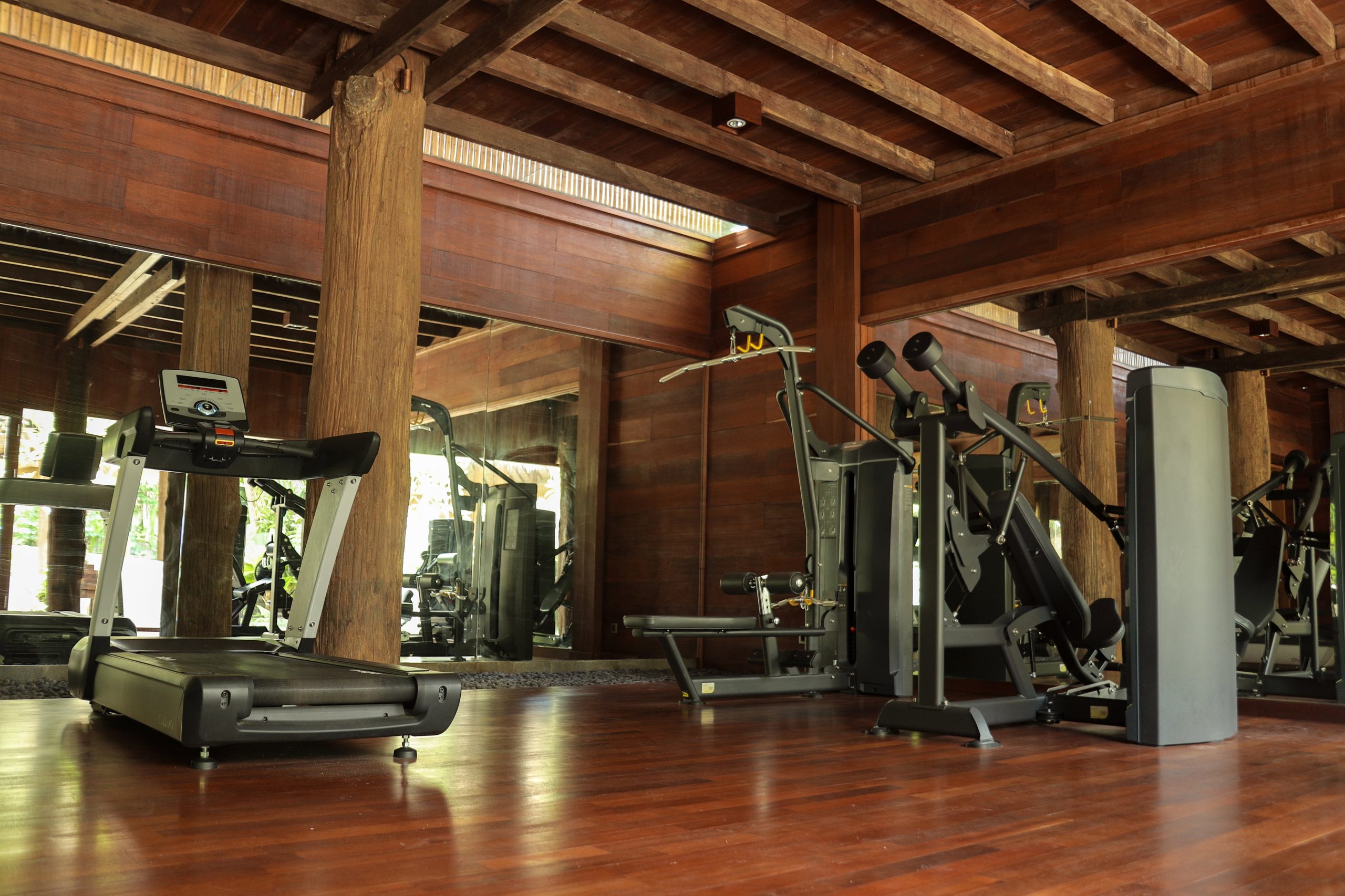
Apartment communities may offer fitness rooms, lounges, meeting spaces, or other common amenities.
These spaces don’t all need identical cleaning procedures.
For example, a shared fitness room contains equipment and frequently touched surfaces, while a resident lounge may require greater attention to tables, furniture, and general upkeep.
Cleaning priorities should reflect each space’s use and the materials being maintained.
5. Restrooms and Other High-Use Facilities
Where shared restrooms are available, they require particular attention to fixtures, sinks, counters, touchpoints, and supplies.
The CDC recommends regular cleaning of high-touch surfaces in community facilities and adjusting cleaning frequency according to traffic and use.
For property managers, that means cleaning decisions should be based on actual activity rather than assuming every room needs the same routine.
Why a Generic Cleaning Schedule Can Fall Short
Imagine two apartment communities.
One has a small lobby, limited shared amenities, and relatively predictable activity.
The other has several elevators, a fitness center, busy common areas, and frequent deliveries.
Even if both properties have the same square footage, their cleaning priorities may be very different.
A schedule based only on building size can overlook these differences.
A more useful approach considers:
- Which areas experience the most traffic
- When residents and visitors use them
- Which surfaces require regular attention
- What types of flooring and materials are present
- Whether activity changes during weekends, holidays, or move-in periods
- Which tasks require daily attention and which can be scheduled periodically
This allows property managers to make better decisions about the services their building actually needs.
The Hidden Management Cost of Unclear Cleaning Responsibilities
When shared-area cleaning isn’t clearly organized, the consequences extend beyond appearance.
A property manager may spend time responding to resident complaints, following up with vendors, checking whether tasks were completed, or coordinating additional visits.
Maintenance employees may be asked to address cleaning concerns that fall outside their primary responsibilities.
Small issues can become repeated interruptions.
The goal of professional commercial cleaning should be to reduce that uncertainty.
Property managers should know which areas are covered, what work is scheduled, and how changing needs will be addressed.
That clarity makes it easier to manage the property without turning cleaning into another daily administrative task.
What to Look for in a Commercial Cleaning Provider
Before hiring a company to maintain shared spaces, property managers should ask practical questions.
Does the provider evaluate the property before recommending services?
Can the cleaning routine account for elevators, entrances, hallways, amenities, and different flooring materials?
Can the schedule accommodate the building’s operating hours?
Are floor care and carpet cleaning available when needed?
How are expectations and responsibilities documented?
These questions help distinguish a service designed around the property from a generic list of tasks.
Professional Cleaning for Apartment Buildings and Shared Properties
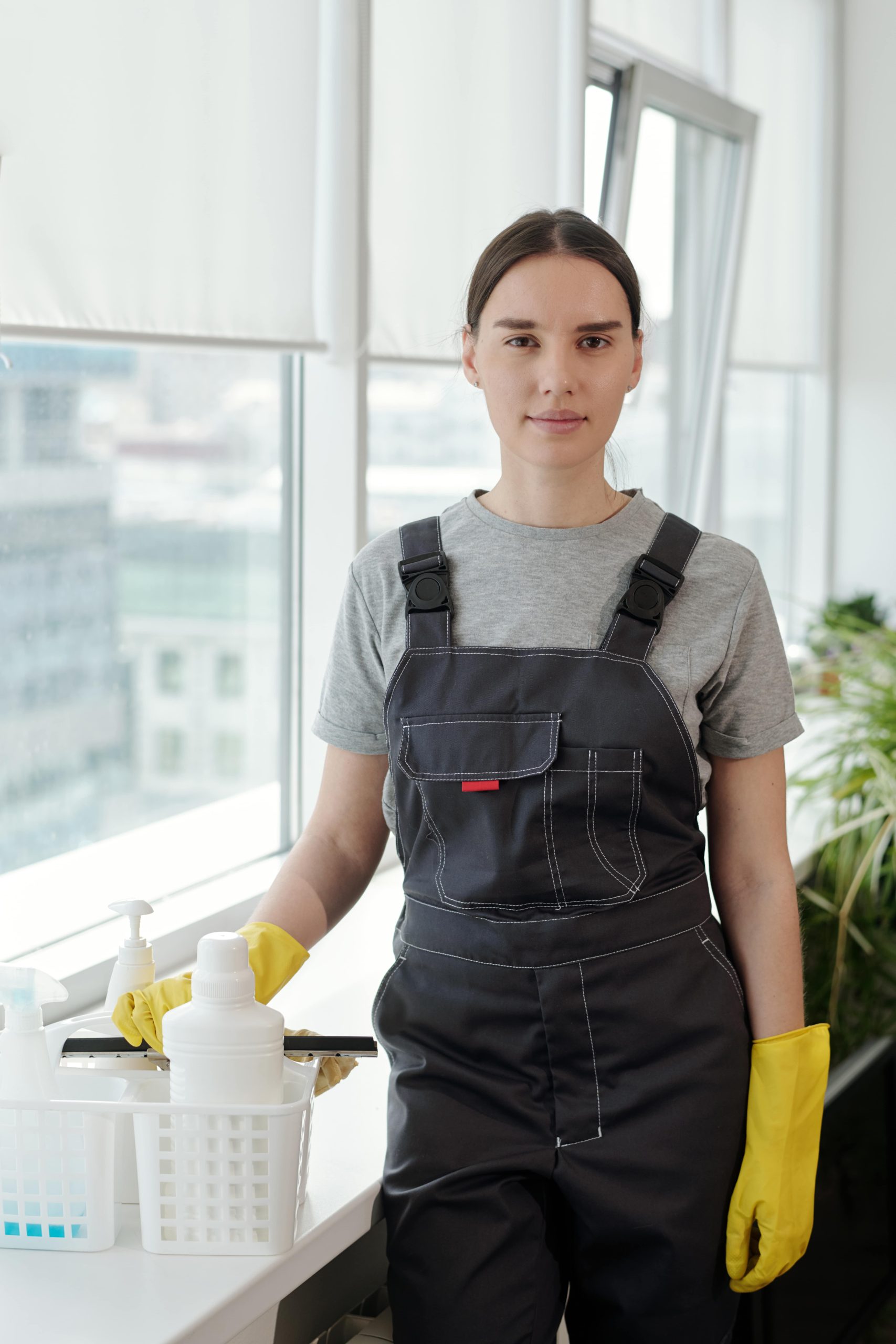
USA Commercial Cleaning Services LLC provides commercial cleaning solutions for apartment buildings and other business facilities.
With more than 50 years of combined experience, the company offers customized cleaning packages that can include common-area cleaning, restroom cleaning, carpet care, and professional floor maintenance.
Rather than assuming every property needs the same services, USA Commercial Cleaning evaluates individual facilities to help determine an appropriate scope of work.
A well-maintained property shouldn’t depend on the manager noticing every cleaning issue first.
If your building’s shared spaces need more consistent attention, contact USA Commercial Cleaning Se